80% Reliable. 20% Weird.
The formula for building someone’s favorite brand.


Most brands are forgettable.
Rory Sutherland, one of my favorite authors, often talks about how brands need to be a bit more irrational. Here’s why that’s important.
There’s a restaurant in London called Fallow.
It opened as a small bar for burgers and beers during COVID. Now, it’s one of the most popular and famous restaurants in the city.
Why are they so famous?
It probably has something to do with the fact that they’re a bit weird.
Fallow founders and head chefs Jack Croft and Will Murray are a different breed.
They cook whole animals and turn leftover vegetable trimmings and whey into kimchi and cheesecake. They share all their recipes in detail on YouTube to 2M subscribers. They even used the GTA designer to make their staff t-shirts.
Fallow is mostly fancy, slightly strange. Because of that, they have a cult following.
In an interview, the chefs explained their philosophy for designing a menu.
It should be 80% normal. Burgers, pasta, steaks, salads. Things everyone will eat.
Then, it should be 20% weird. Kimchi from kitchen scraps. Baked cod’s heads.
Here’s what that has to do with you.
Designing a brand is a bit like designing a menu.
It should be 80% reliable, 20% weird.
Most brands play it 100% safe.
Want your brand to be memorable? Be creative. Be weird.
The best brands are a little strange. This is why you love them.
Think about why you love your favorite coffeeshop. It probably has good coffee. But so do lots of places. That’s not why it’s your favorite.
It might have good music. It might have lots of big windows and natural light. It might have threadbare couches and antique lamps. It might have plants hanging from the ceiling. It might be modern and serene. It might be pink and decorated with a punk vibe. (Shoutout to 27 Club coffee in Cleveland!)
Whatever the case, there’s a reason why it’s not just “a coffee shop.”
There’s a reason why it’s “my favorite coffee shop.”
No one has a favorite brand that blends in.
The best brands know this. As an example, here’s a few of my favorites.
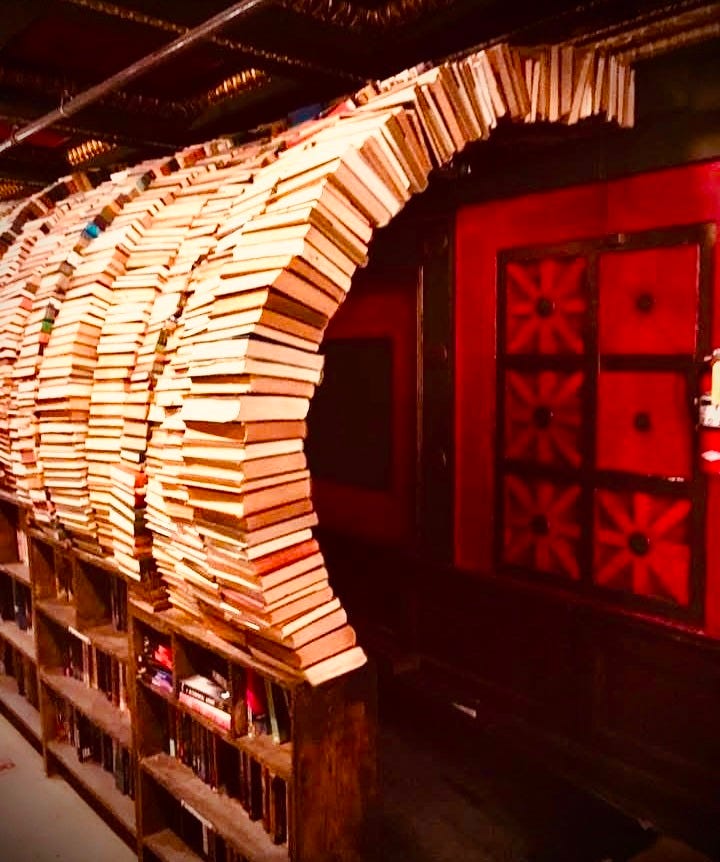
The Last Bookstore in downtown Los Angeles has a tunnel of books. It has a rare book room. It has a coffee shop. It has an upstairs filled with small studios where local artists work and sell their wares. It’s not just a bookstore. It’s an experience.
In-n-Out Burger only sells burgers, fries, sodas, and shakes. Controversially, they put Bible verses on the bottom of their cups. And they have the famous X-crossed palm trees in front of their restaurants.
Red Rose Tea, my mom’s favorite Canadian tea brand, has included a small china figurine in all of its packages since 1967 in Canada and 1983 in the U.S. Until 2018, they used this loss leader strategy to build loyalty through a sense of whimsy.
Patagonia launched a New York Times ad saying: ”Don’t Buy This Jacket.” The point was to highlight its commitment to environmentalism and recycling. To this day, Patagonia will repair, replace, or recycle any damaged jacket you bring back. Ironically, this recycling-focused brand positioning increased sales by 30%.
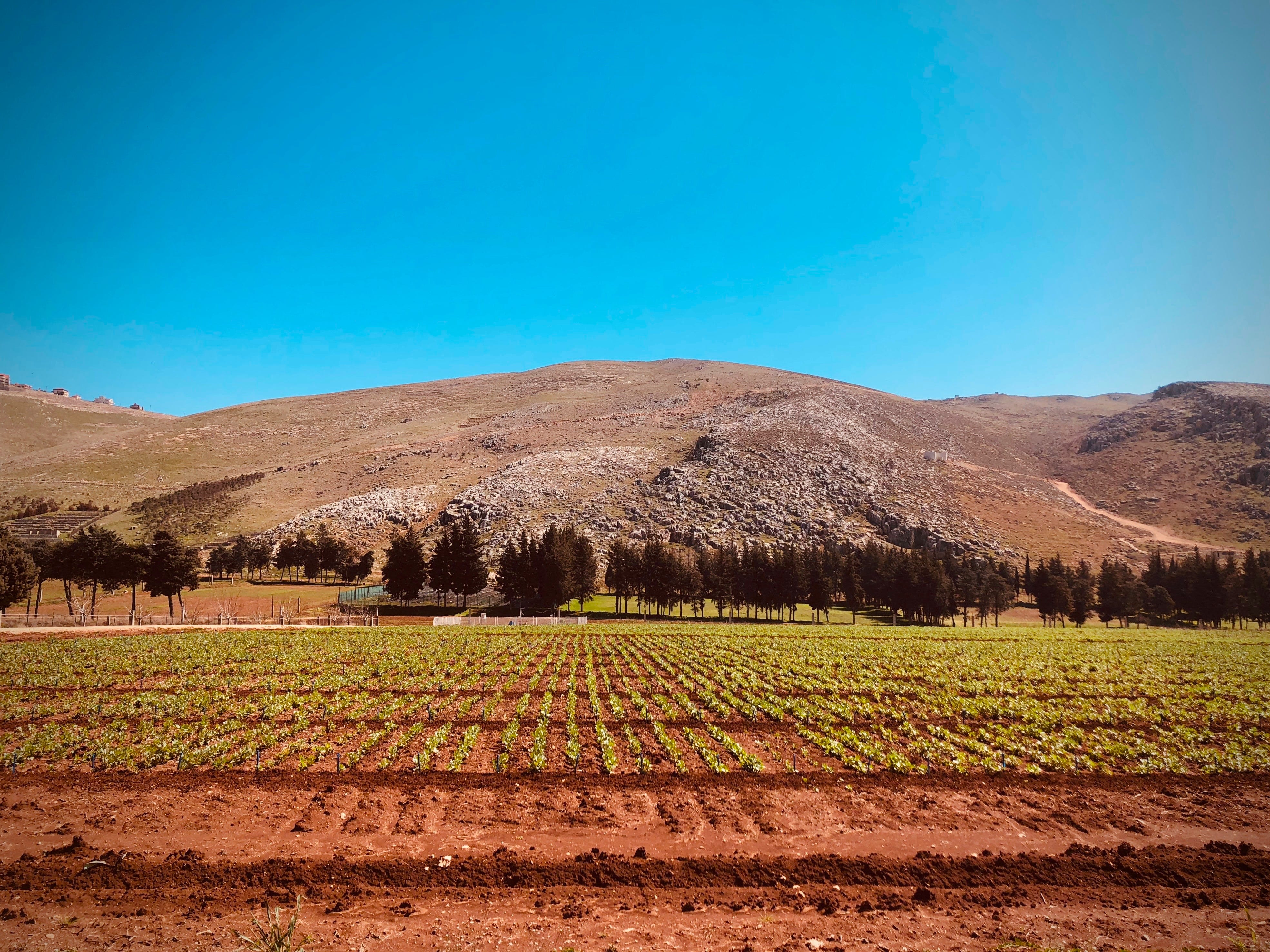
Building creativity into your brand takes work.
Irrational, weird ideas don’t just appear on their own.
Businesses have to cultivate them. Sadly, brands often sacrifice creativity for the sake of efficiency.
From 2004 to 2013, Google famously had a 20% rule for its employees’ time. Every Friday, employees were allowed to work on whatever they wanted, as long as they could show it might benefit the business.
That’s how Gmail was invented.
You can’t build a unique business unless you build time for creativity into the system.
Google didn’t invent this. This principle is actually found in nature.
Rory Sutherland once pointed out that bees have an interesting division of labor. Once bees discover a route of flowers that can reliably support the hive, most of them follow this path and gather as much pollen from it as possible.
The rest of the bees go off the path to find new flowers.
Most exploit. The rest explore.
80% reliable. 20% weird.
To build a weird brand, you need to be weird too.
So, how do you do this?
Learn more. Get more diverse inputs. Study outside your field. Get a little weird.
That cod’s head doesn’t get on the menu by itself.
Dan Pope runs a podcast on food and drink challenger brands in the U.K. called Hungry. To do this, he does what you might expect. He goes to fancy restaurants in London, chats with pub owners, and presumably spends a lot of time in grocery stores.
But he also likes to mix things up, talking to tech entrepreneurs and reading books like Moby Dick to get a fresh perspective.
His newsletters are the most interesting and entertaining business newsletters I’ve read in a long time. In short, reading widely helps.
When I worked in online education, some of my best ideas came from fashion brands, tech startups, and history books. I read traditional business books, but I also read biographies of celebrities, books on the history of fashion, books on .mp3 files and digital music, and a whole range of other topics.
I’m dead serious when I say reading about King Cyrus of Persia helped me figure out how to delegate work and maintain authority as a manager.
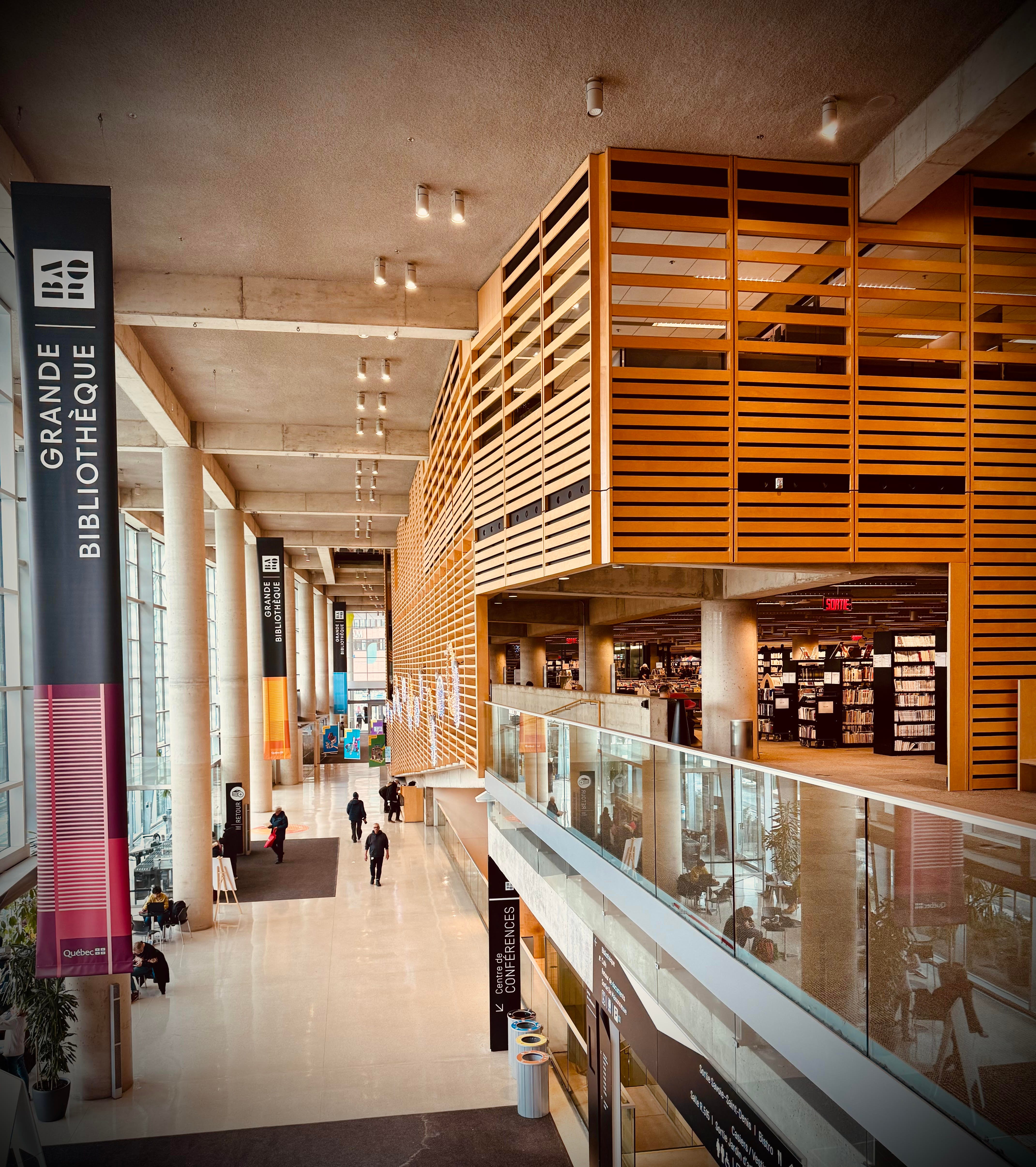
If you’re not at least a little embarrassed about your stack of books at the library checkout counter, you’re doing it wrong.
Speaking of which, you can’t just shop online. Amazon recommendations won’t cut it.
The problem with relying on curated algorithms to gain creative ideas is that you’re relying on the masses to give you your ideas.
Creativity requires serendipity.
That’s why browsing the stacks at your local library or bookstore will always beat shopping online. Only you can combine weird ideas in your own unique way from chef’s memoirs, soccer coach biographies, and science books.
Your weird interests are the best thing you have going for you.
They’re the only thing no other person, and no other business, can truly replicate.
You won’t build someone’s favorite brand unless you build something a little weird.
And you won’t do that unless you’re a little weird too.
Build the tunnel of books. Plant the crossed palm trees. Put the figurine in the tea.
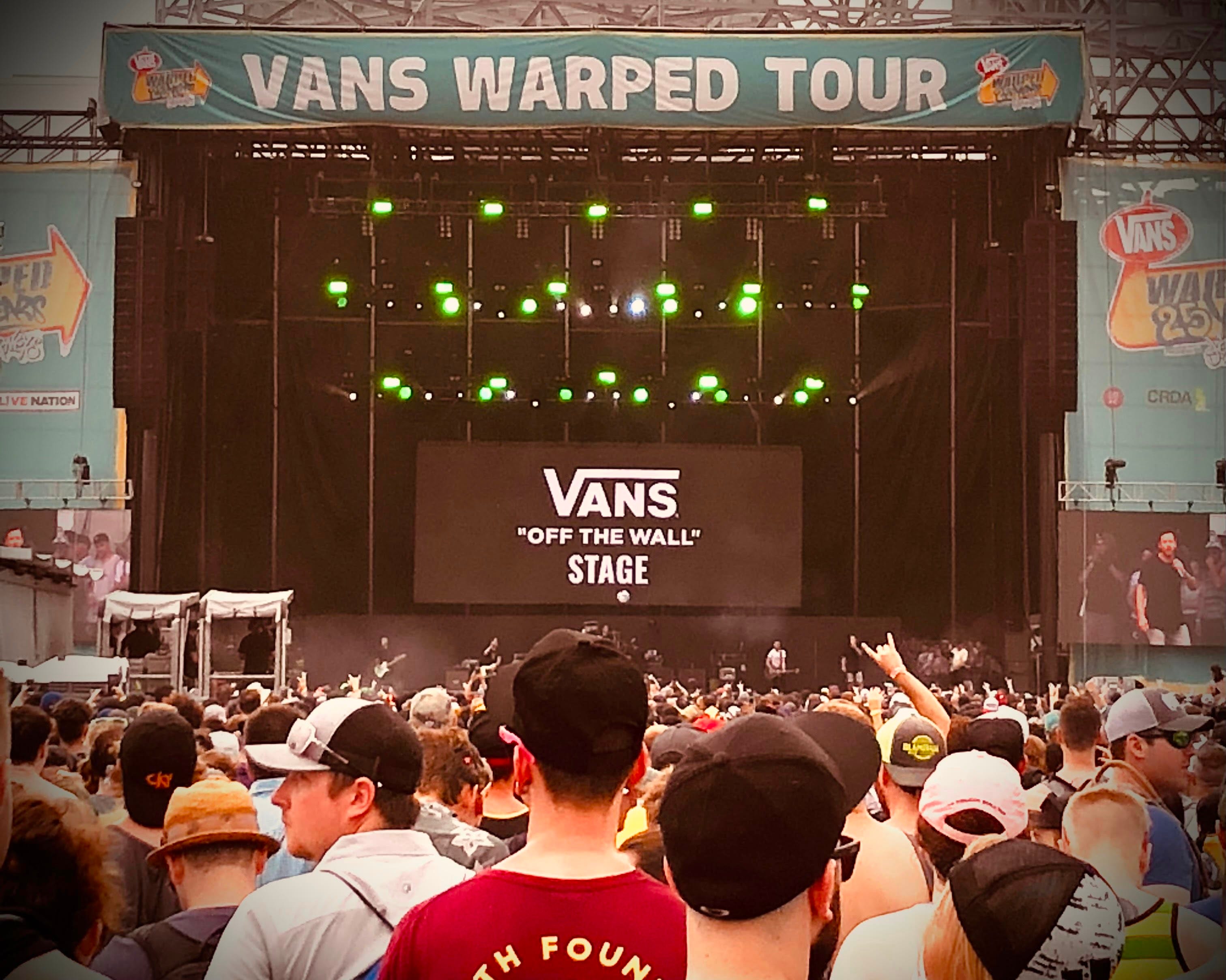
Read widely. Travel. Go to rock concerts. Build creativity into your life.
Be reliable. Be memorable.
80%. 20%.
The world doesn’t need another forgettable brand. It needs a weird one.
This helped me today to start surfacing “my weird” a bit more.
The 80% reliable / 20% weird rule is a simple but powerful reminder that memorability comes from personality, not just consistency.